الدعاء - أدعية إسلامية وقرآنية باللغة العربية مع الترجمة
- 1
رَبَّنَا تَقَبَّلْ مِنَّا إِنَّكَ أَنْتَ السَّمِيعُ العَلِيمُ
Rabbana taqabbal minna innaka antas Sameeaul Aleem
Our Lord! Accept (this service) from us: For Thou art the All-Hearing, the All-knowing.
Surah Al-Baqarah - 2:127
- 2
رَبَّنَا وَاجْعَلْنَا مُسْلِمَيْنِ لَكَ وَمِن ذُرِّيَّتِنَا أُمَّةً مُّسْلِمَةً لَّكَ وَأَرِنَا مَنَاسِكَنَا وَتُبْ عَلَيْنَآ إِنَّكَ أَنتَ التَّوَّابُ الرَّحِيمُ
Rabbana wa-j'alna Muslimayni laka wa min Dhurriyatina 'Ummatan Muslimatan laka wa 'Arina Manasikana wa tub 'alayna 'innaka 'antat-Tawwabu-Raheem
Our Lord! Make of us Muslims, bowing to Thy (Will), and of our progeny a people Muslim, bowing to Thy (will); and show us our place for the celebration of (due) rites; and turn unto us (in Mercy); for Thou art the Oft-Returning, Most Merciful.
Surah Al-Baqarah - 2:128
- 3
رَبَّنَآ اٰتِنَا فِي الدُّنْيَا حَسَنَةً وَّفِي الْاٰخِرَةِ حَسَـنَةً وَّقِنَا عَذَابَ النَّارِ
Rabbanaaa Aatinaa Fiddunyaa H’asanata Wa Fil Aakhirati H’asanata Wa Qinaa A’d’aaban Naar
Our Lord! Give us in this world that which is good and in the Hereafter that which is good, and save us from the torment of the Fire!
Surah Al-Baqarah - 2:201
- 4
رَبَّنَا أَفْرِغْ عَلَيْنَا صَبْراً وَثَبِّتْ أَقْدَامَنَا وَانصُرْنَا عَلَى القَوْمِ الكَافِرِينَ
Rabbana afrigh 'alayna sabran wa thabbit aqdamana wansurna 'alal-qawmil-kafirin
Our Lord! Bestow on us endurance, make our foothold sure, and give us help against the disbelieving folk.
Al-Baqarah - 2:250
- 5
ۭرَبَّنَا لَا تُؤَاخِذْنَآ اِنْ نَّسِيْنَآ اَوْ اَخْطَاْنَا ۚ رَبَّنَا وَلَا تَحْمِلْ عَلَيْنَآ اِصْرًا كَمَا حَمَلْتَهٗ عَلَي الَّذِيْنَ مِنْ قَبْلِنَا ۚ رَبَّنَا وَلَا تُحَمِّلْنَا مَا لَا طَاقَةَ لَنَا بِهٖ ۚ وَاعْفُ عَنَّا ۪ وَاغْفِرْ لَنَا ۪ وَارْحَمْنَا ۪ اَنْتَ مَوْلٰىنَا فَانْــصُرْنَا عَلَي الْقَوْمِ الْكٰفِرِيْنَ
Rabbanaa Laa Too-Akhid’naaa In-Naseenaa Aw Akht’aanaa Rabbanaa wa Laa Tah’mil A’laynaaa Is’ran Kamaa Ha’maltahoo A’lal Lad’eena min Qablinaa Rabbanaa wa Laa Tuh’ammilnaa Maa Laa T’aaqata Lanaa Bih Wa’-Fu A’nnaa Waghfirlanaa Warh’amnaa Anta Mawlaanaa Fans’urnaa A’lal Qawmil Kaafireen
Allah burdens not a person beyond his scope. He gets reward for that (good) which he has earned, and he is punished for that (evil) which he has earned. "Our Lord! Punish us not if we forget or fall into error, our Lord! Lay not on us a burden like that which You did lay on those before us; our Lord! Put not on us a burden greater than we have strength to bear. Pardon us and grant us Forgiveness. Have mercy on us. You are our Maula (Patron, Supporter and Protector, etc.) and give us victory over the disbelieving people."
Surah Al-Baqarah - 2:286
- 6
رَبَّنَا لَا تُزِغْ قُلُوْبَنَا بَعْدَ اِذْ ھَدَيْتَنَا وَھَبْ لَنَا مِنْ لَّدُنْكَ رَحْمَةً ۚ اِنَّكَ اَنْتَ الْوَھَّابُ
Rabbanaa Laa Tuzigh Quloobanaa Ba’-Da Id’hadaytanaa Wa Hab Lanaa Mil Ladunka Rah’mah Innaka Antal Wahaab
Our Lord! Let not our hearts deviate (from the truth) after You have guided us, and grant us mercy from You. Truly, You are the Bestower.
Surah Al-Imran - 3:8
- 7
رَبَّنَا إِنَّكَ جَامِعُ النَّاسِ لِيَوْمٍ لاَّ رَيْبَ فِيهِ إِنَّ اللّهَ لاَ يُخْلِفُ الْمِيعَادَ
Rabbana innaka jami'unnasi li-Yawmil la rayba fi innAllaha la yukhliful mi'aad
Our Lord, surely You will gather the people for a Day about which there is no doubt. Indeed, Allah does not fail in His promise.
Surah Al-Imran - 3:9
- 8
رَبَّنَآ اِنَّنَآ اٰمَنَّا فَاغْفِرْ لَنَا ذُنُوْبَنَا وَقِنَا عَذَابَ النَّارِ
Rabbana innana amanna faghfir lana dhunuubana wa qinna 'adhaban-Naar
Our Lord! We have indeed believed, so forgive us our sins and save us from the punishment of the Fire.
Surah Al-Imran - 3:16
- 9
رَبَّنَآ ءَامَنَّا بِمَآ أَنزَلۡتَ وَٱتَّبَعۡنَا ٱلرَّسُولَ فَٱكۡتُبۡنَا مَعَ ٱلشَّٰهِدِينَ
Rabbana amanna bima anzalta wattaba 'nar-Rusula fak-tubna ma'ash-Shahideen
Our Lord! We believe in what Thou hast revealed, and we follow the Messenger. Then write us down among those who bear witness.
Surah Al-Imran - 3:53
- 10
رَبَّنَا اغْفِرْ لَنَا ذُنُوْبَنَا وَ اِسْرَافَنَا فِيْٓ اَمْرِنَا وَثَبِّتْ اَقْدَامَنَا وَانْصُرْنَا عَلَي الْقَوْمِ الْكٰفِرِيْنَ
Rabbanaghfir lanaa d’unoobanaa wa israafanaa fee amrinaa wa thabbit aqdaamanaa wan s’urnaa a’lal qawmil kaafireen
Our Lord! Forgive us our sins and our transgressions (in keeping our duties to You), establish our feet firmly, and give us victory over the disbelieving folk.
Surah Al-Imran - 3:147
- 11
رَبَّنَا مَا خَلَقْتَ هٰذَا بَاطِلًا ۚ سُبْحٰنَكَ فَقِنَا عَذَابَ النَّارِ. رَبَّنَآ اِنَّكَ مَنْ تُدْخِلِ النَّارَ فَقَدْ اَخْزَيْتَهٗ ۭ وَمَا لِلظّٰلِمِيْنَ مِنْ اَنْصَارٍ. رَبَّنَآ اِنَّنَا سَمِعْنَا مُنَادِيًا يُّنَادِيْ لِلْاِيْمَانِ اَنْ اٰمِنُوْا بِرَبِّكُمْ فَاٰمَنَّا ۚ رَبَّنَا فَاغْفِرْ لَنَا ذُنُوْبَنَا وَكَفِّرْ عَنَّا سَيِّاٰتِنَا وَتَوَفَّنَا مَعَ الْاَبْرَارِ. رَبَّنَا وَاٰتِنَا مَا وَعَدْتَّنَا عَلٰي رُسُلِكَ وَلَا تُخْزِنَا يَوْمَ الْقِيٰمَةِ ۭاِنَّكَ لَا تُخْلِفُ الْمِيْعَادَ.
Rabbana ma khalaqta hadha batila Subhanaka faqina 'adhaban-Naar. Rabbana innaka man tudkhilin nara faqad akhzaytah wa ma liDh-dhalimeena min ansar. Rabbanaa Innanaa Sami’-Naa Munaadiyay Yunaadee Lil – Eemaani An Aaminoo Birabbikum Fa- Aamannaa Rabbanaa Faghfir Lanaa D’unoobanaa Wa Kaffir A’nnaaa Sayyi- Aatinaa Wa Tawaffanaa Ma-A’l Abraaar. Rabbanaa Wa Aatinaa Maa Wa-A’ttanaa A’laa Rusulika Wa Laa Tukhzinaa Yawal Qiyaamah Innak Laa Tukhliful Mee’a’ad.
Our Lord! You have not created (all) this without purpose, glory to You! (Exalted be You above all that they associate with You as partners). Give us salvation from the torment of the Fire. *Our Lord! Verily, whom You admit to the Fire, indeed, You have disgraced him, and never will the Zaalimoon (polytheists and wrong-doers) find any helpers. *Our Lord! Verily, we have heard the call of one (Muhammad p.b.u.h.) calling to Faith: 'Believe in your Lord,' and we have believed. *Our Lord! Forgive us our sins and remit from us our evil deeds, and make us die in the state of righteousness along with Al-Abraar (those who are obedient to Allah and follow strictly His Orders). *Our Lord! Grant us what You promised unto us through Your Messengers and disgrace us not on the Day of Resurrection, for You never break (Your) Promise.
Surah Al-Imran 191-194
- 12
رَبَّنَا آمَنَّا فَاكْتُبْنَا مَعَ الشَّاهِدِينَ
Rabbana aamana faktubna ma' ash-shahideen
Our Lord! We believe; write us down among the witnesses.
Surah Al-Ma'ida - 5:83
- 13
رَبَّنَا أَنزِلْ عَلَيْنَا مَآئِدَةً مِّنَ السَّمَاء تَكُونُ لَنَا عِيداً لِّأَوَّلِنَا وَآخِرِنَا وَآيَةً مِّنكَ وَارْزُقْنَا وَأَنتَ خَيْرُ الرَّازِقِينَ
Rabbana anzil 'alayna ma'idatam minas-Samai tuknu lana 'idal li-awwa-lina wa aakhirna wa ayatam-minka war-zuqna wa anta Khayrul-Raziqeen
O Allah our Lord! Send us from heaven a table set (with viands), that there may be for us - for the first and the last of us - a solemn festival and a sign from thee; and provide for our sustenance, for thou art the best Sustainer (of our needs).
Surah Al-Ma'ida - 5:114
- 14
رَبَّنَا ظَلَمْنَا أَنفُسَنَا وَإِن لَّمْ تَغْفِرْ لَنَا وَتَرْحَمْنَا لَنَكُونَنَّ مِنَ الْخَاسِرِينَ
Rabbana zalamna anfusina wa il lam taghfir lana wa tarhamna lana kunan minal-khasireen
Our Lord! We have wronged our own souls: If thou forgive us not and bestow not upon us Thy Mercy, we shall certainly be lost.
Surah Al-A'raf - 7:23
- 15
رَبَّنَا لاَ تَجْعَلْنَا مَعَ الْقَوْمِ الظَّالِمِينَ
Rabbanaa Laa Taj-a’lnaa Ma – A’l Qawmiz’ Z’aalimeen
Our Lord! Place us not with the people who are Zaalimoon (polytheists and wrong doers).
Surah Al-A'raf - 7:47
- 16
رَبَّنَا افْتَحْ بَيْنَنَا وَبَيْنَ قَوْمِنَا بِالْحَقِّ وَأَنتَ خَيْرُ الْفَاتِحِينَ
Rabbanaf-tah baynana wa bayna qawmina bil haqqi wa anta Khayrul Fatiheen
Our Lord! Decide Thou between us and our people in truth, for Thou art the best to decide.
Surah Al-A'raf - 7:89
- 17
رَبَّنَا أَفْرِغْ عَلَيْنَا صَبْرًا وَتَوَفَّنَا مُسْلِمِينَ
Rabbana afrigh 'alayna sabraw wa tawaffana Muslimeen
Our Lord! pour out on us patience, and cause us to die as Muslims.
Surah Al-A'raf - 7:126
- 18
عَلَى اللَّهِ تَوَكَّلْنَا رَبَّنَا لَا تَجْعَلْنَا فِتْنَةً لِلْقَوْمِ الظَّالِمِينَ
وَنَجِّنَا بِرَحْمَتِكَ مِنَ الْقَوْمِ الْكَافِرِينَ
Alal Allahi thawakkalna rabbana la taj'alna fitnatal lil-qawmidh-Dhalimeen.
Wa najjina bi-Rahmatika minal qawmil kafireen.
Upon Allah do we rely. Our Lord, make us not [objects of] trial for the wrongdoing people.
And save us by Your mercy from the disbelieving people.
Surah Yunus - 10:85-86
- 19
رَبَّنَا إِنَّكَ تَعْلَمُ مَا نُخْفِي وَمَا نُعْلِنُ وَمَا يَخْفَى عَلَى اللّهِ مِن شَيْءٍ فَي الأَرْضِ وَلاَ فِي السَّمَاء
Rabbana innaka ta'lamu ma nukhfi wa ma nu'lin wa ma yakhfa 'alal-lahi min shay'in fil-ardi wa la fis-Sama'
O our Lord! Truly Thou dost know what we conceal and what we reveal: for nothing whatever is hidden from Allah, whether on earth or in heaven
Surah Ibraheem - 38
- 20
رَبِّ اجْعَلْنِيْ مُقِيْمَ الصَّلٰوةِ وَمِنْ ذُرِّيَّتِيْ رَبَّنَا وَتَقَبَّلْ دُعَاۗءِ
Rabbij-A’lnee Muqeemas’ S’alaati Wa Min D’urrriyyatee Rabbanaa Wa Taqabbal Du-A’aa
O my Lord! Make me one who performs As-Salaat (Iqaamat-as-Salaat), and (also) from my offspring, our Lord! And accept my invocation.
Surah Ibraheem - 14:40

Athan
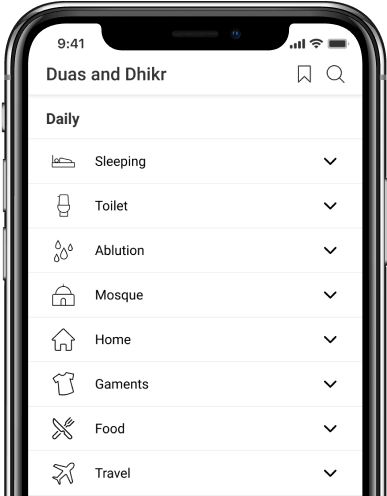
قم بتحميل تطبيق الأذان حتى تقوم بقراءة الأدعية والذكر بكل سهولة على هاتفك.



Contact Us

Thanks for reaching out.
We'll get back to you soon.